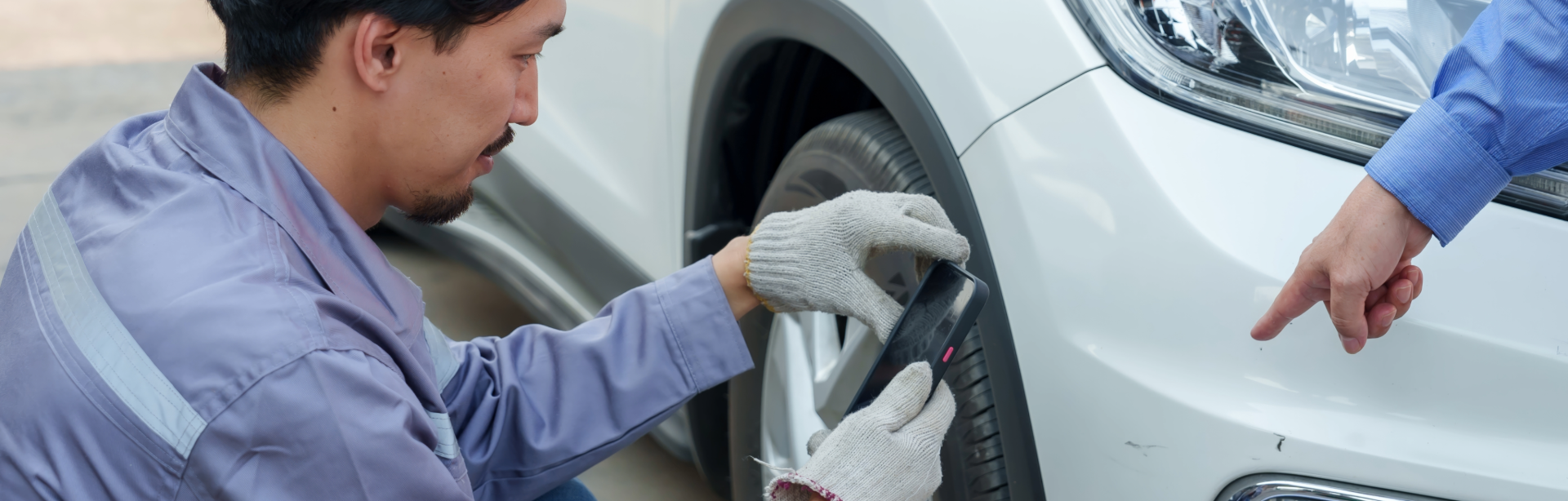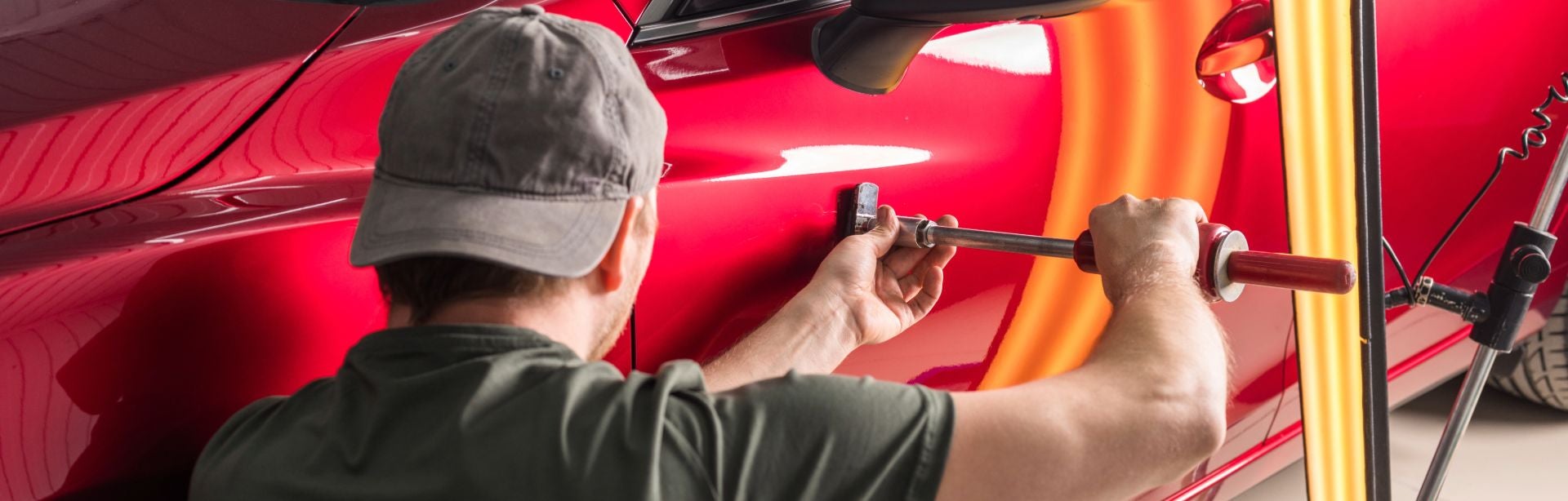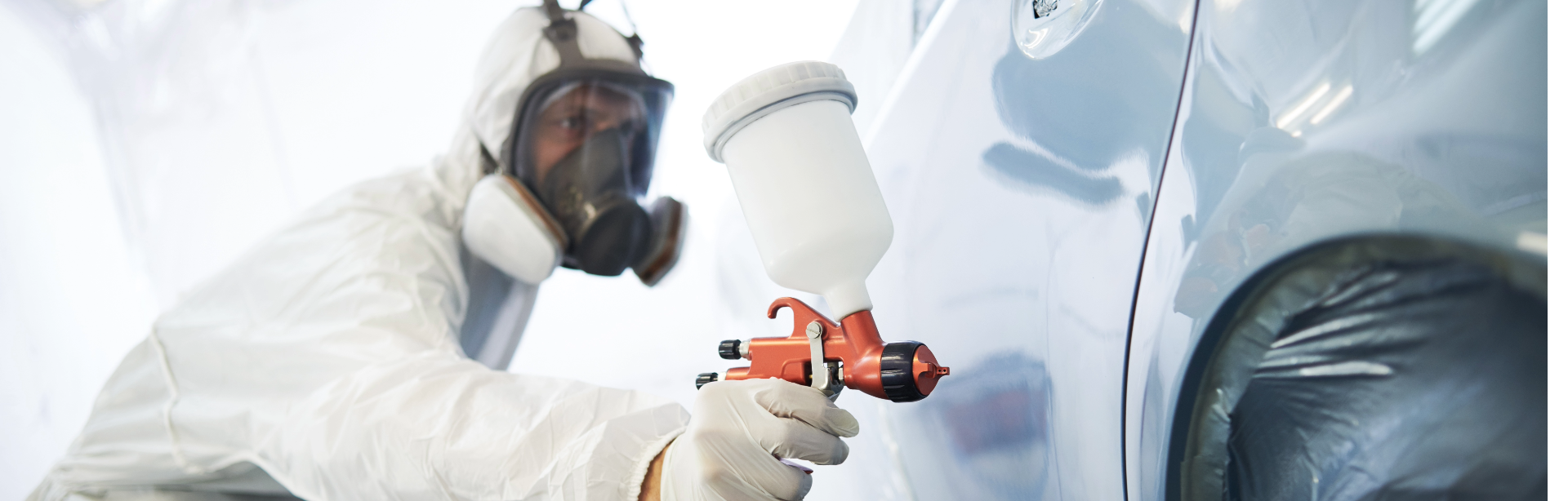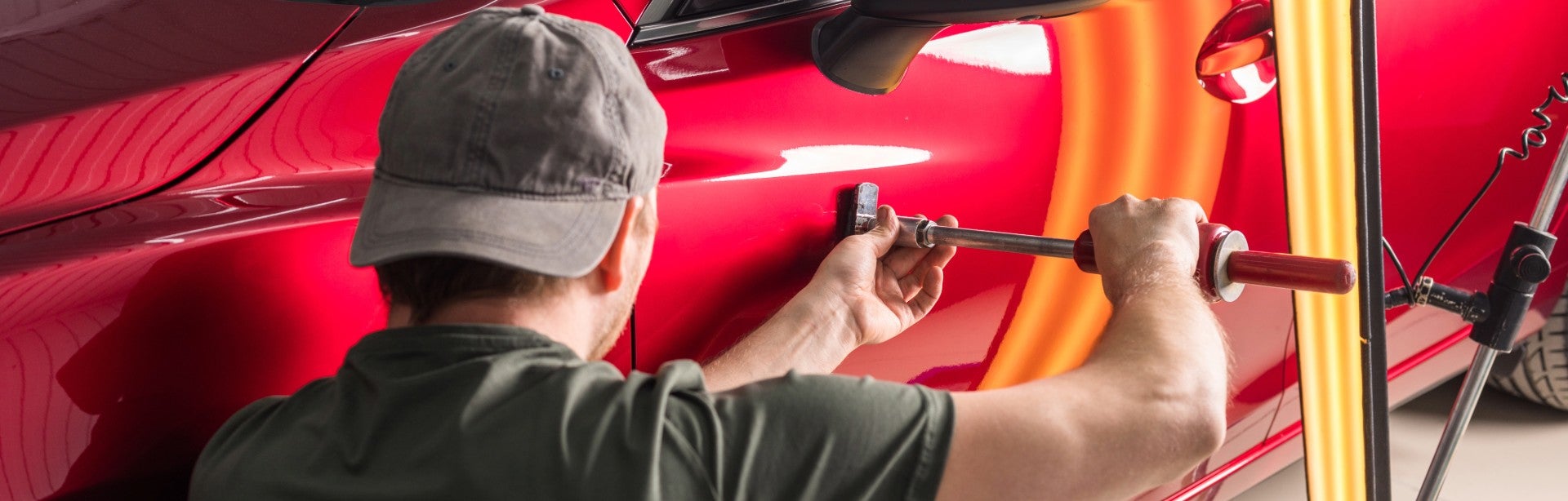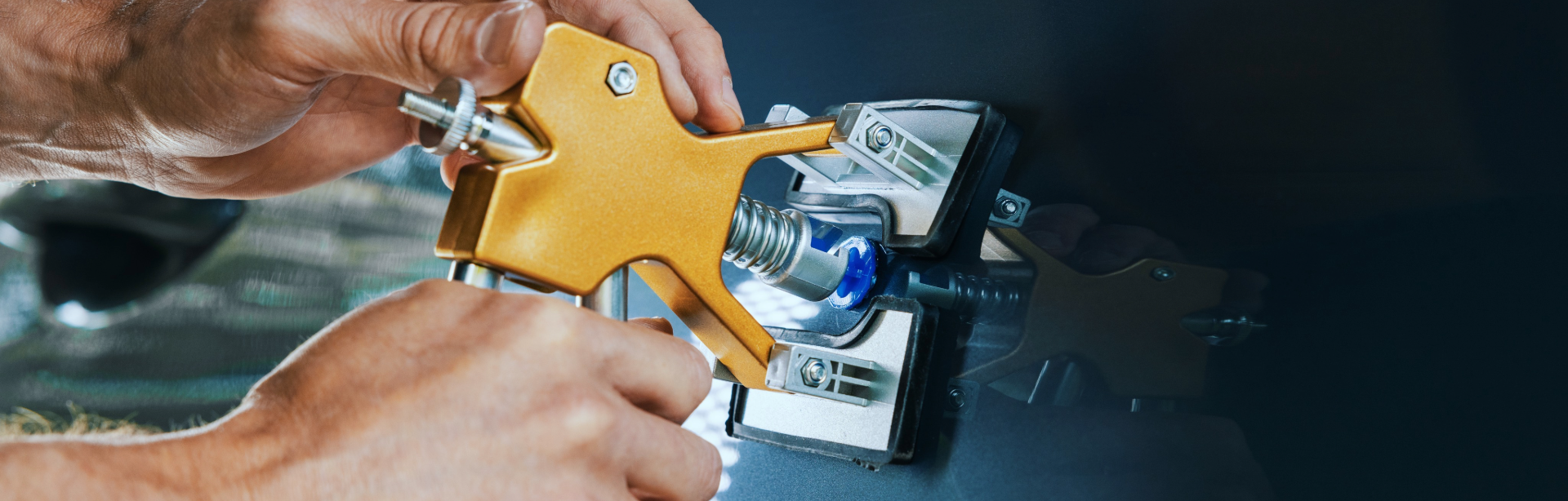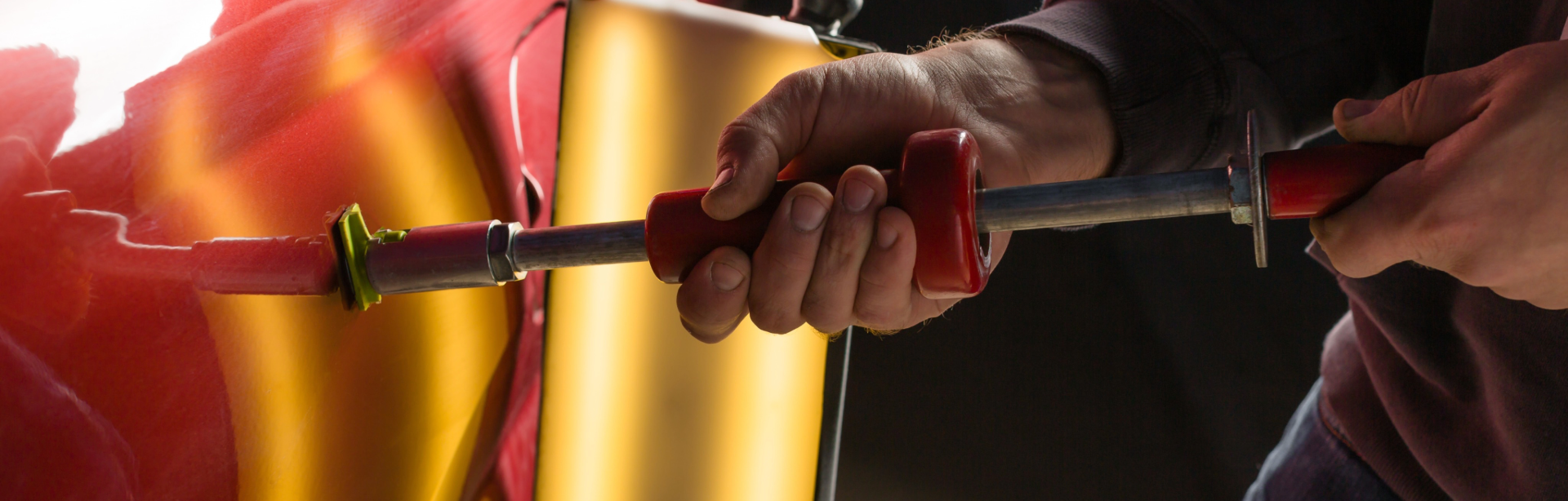





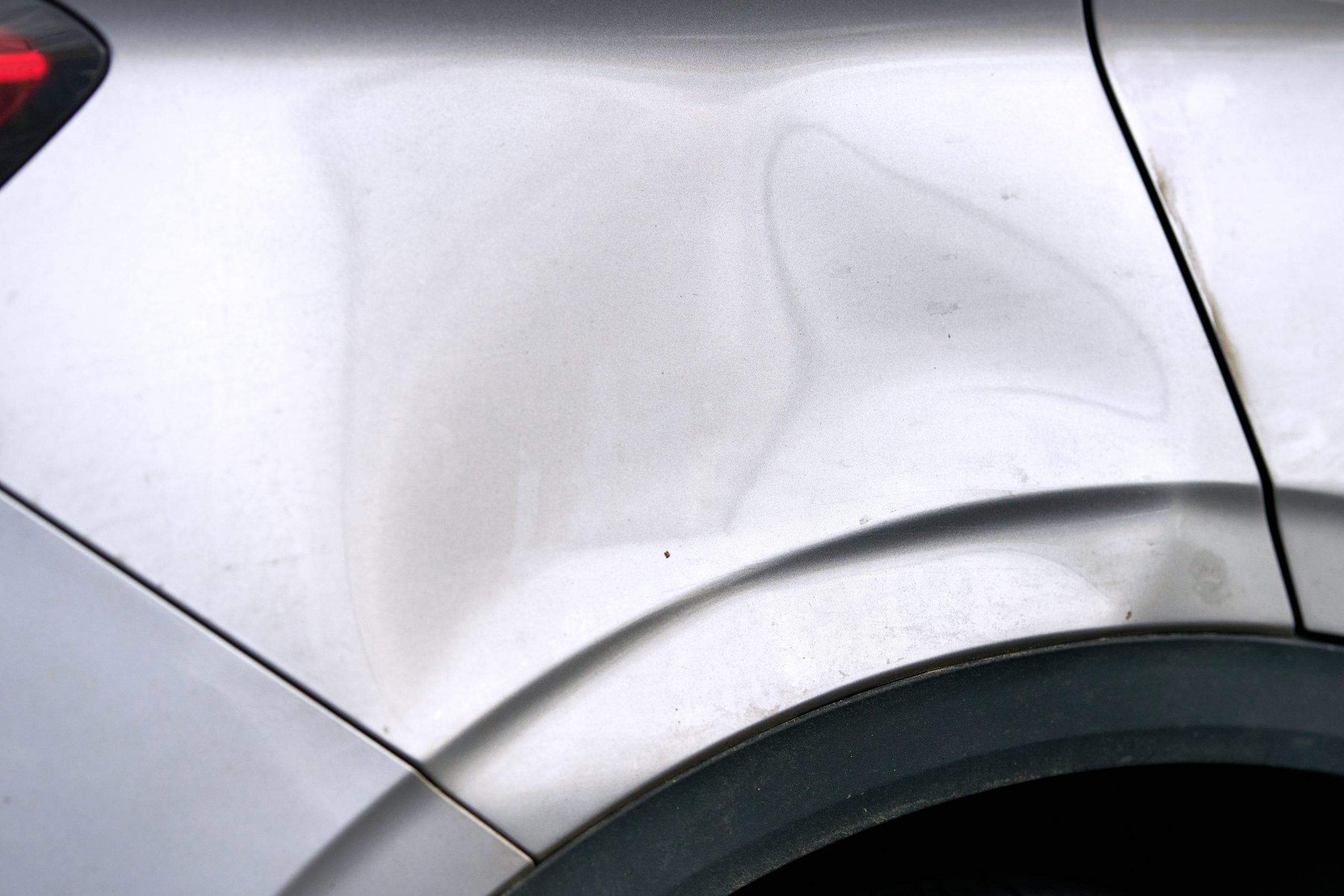
Paintless Dent Repair vs. Traditional Dent Removal: Which Should You Choose? When your vehicle suffers body damage, choosing the right restoration technique is crucial for maintaining its overall value and aesthetic appearance. At Zimbrick Body Shop, our expert technicians guide drivers through the two primary methods for restoring smooth exterior panels: paintless dent repair and traditional dent removal. Understanding the differences between these methods helps you make the most informed decision for your car, truck, or SUV. Understanding Your Vehicle Repair Options What Is Paintless Dent Repair? Paintless dent repair (PDR) is an innovative, non-invasive process designed to fix minor panel damage without disturbing your vehicle's factory paint. Specialized tools are inserted behind the affected area to gently massage and flex the metal back into its original contour. PDR is ideal for hail damage, small parking lot dings, and minor creases where the surface paint remains completely intact. Because PDR eliminates the need for sanding, body fillers, or repainting, it is a faster, cost-effective solution that preserves your vehicle's original finish. You can explore our paintless dent repair services to see if your vehicle's damage qualifies. When Is Traditional Dent Removal Necessary? While PDR offers incredible speed and convenience, it is not suitable for every auto body situation. If an impact stretches the metal too severely, cracks the paint, or compromises underlying structural components, traditional repair techniques are required. Traditional dent removal involves filling damaged areas, sanding the surface smooth, and applying fresh primer, base coat, and clear coat layers. This process restores severe structural damage, deep gouges, and sharp bodyline dents to flawless condition. When extensive repairs demand precise color matching, our team utilizes advanced computerized painting techniques. Feel free to review our comprehensive collision repair services to learn more about our major bodywork capabilities. Making the Right Choice for Your Vehicle Deciding between these two methods comes down to damage severity, timeline, and paint integrity: Choose PDR for minor dings, shallow creases, and hail damage with completely intact paint. Choose Traditional Repair for deep structural dents, cracked paint, or major collision damage. Trust Zimbrick Body Shop for Your Vehicle Restoration Whether you need rapid cosmetic touch-ups or comprehensive structural repairs, the certified technicians at Zimbrick Body Shop are here to help. We inspect every dent carefully to recommend the safest, most efficient repair strategy for your budget and timeline. Contact our team today or schedule your appointment online to get your vehicle back in peak condition.
Is Your Windshield Trying to Tell You Something? 5 Warning Signs You Shouldn't Ignore
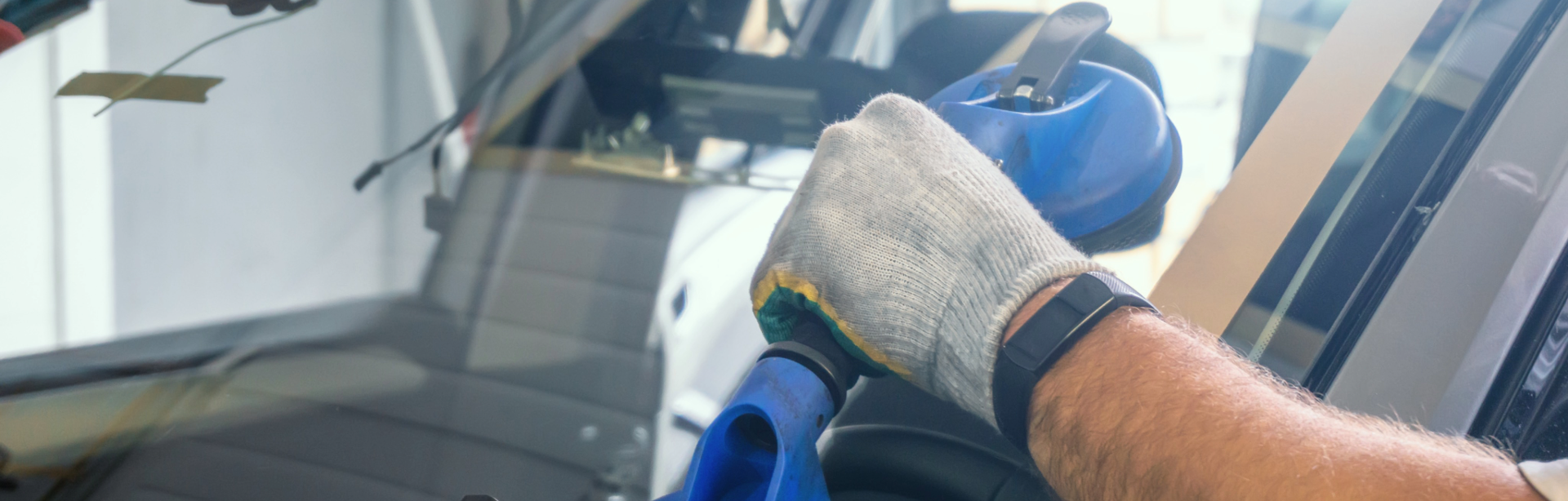
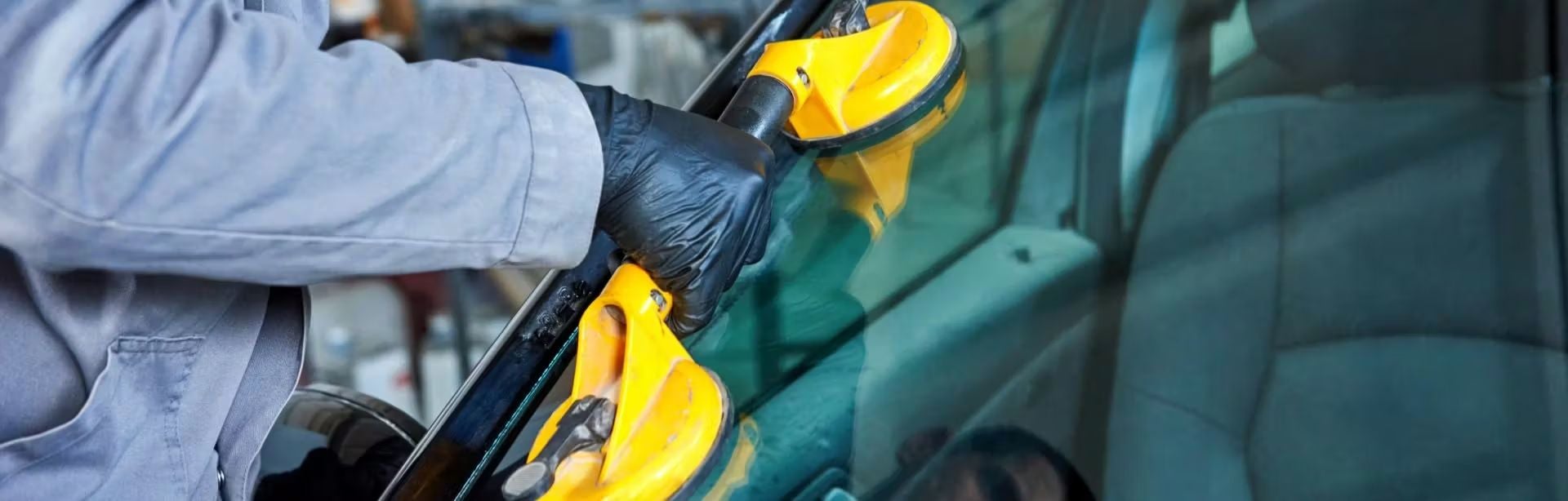
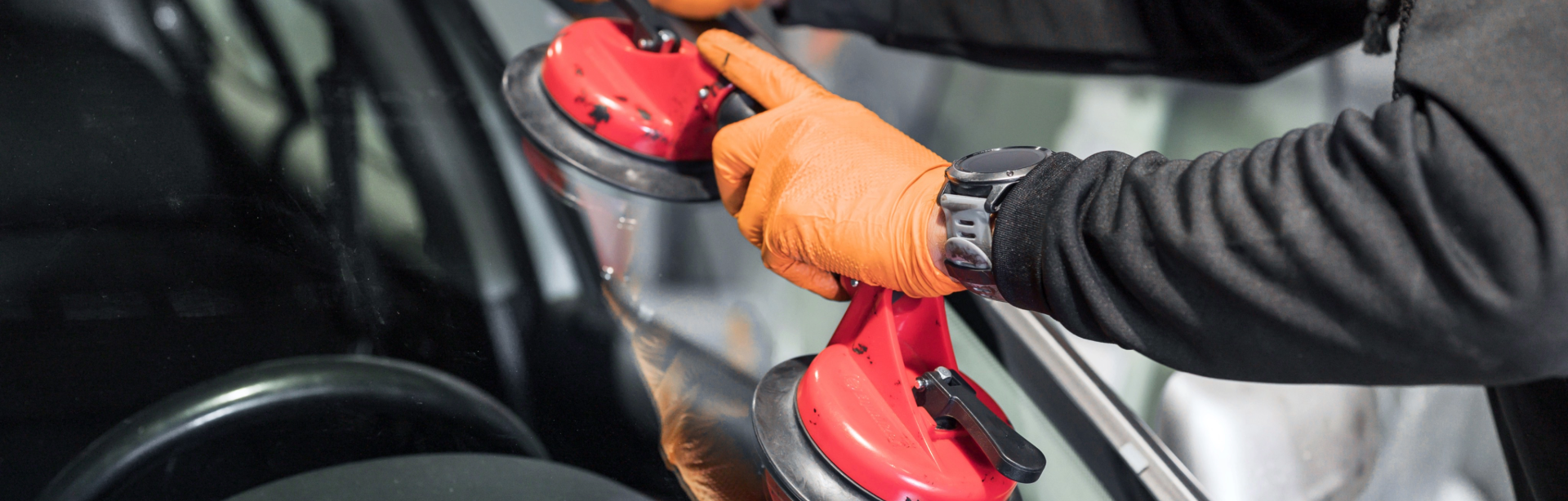
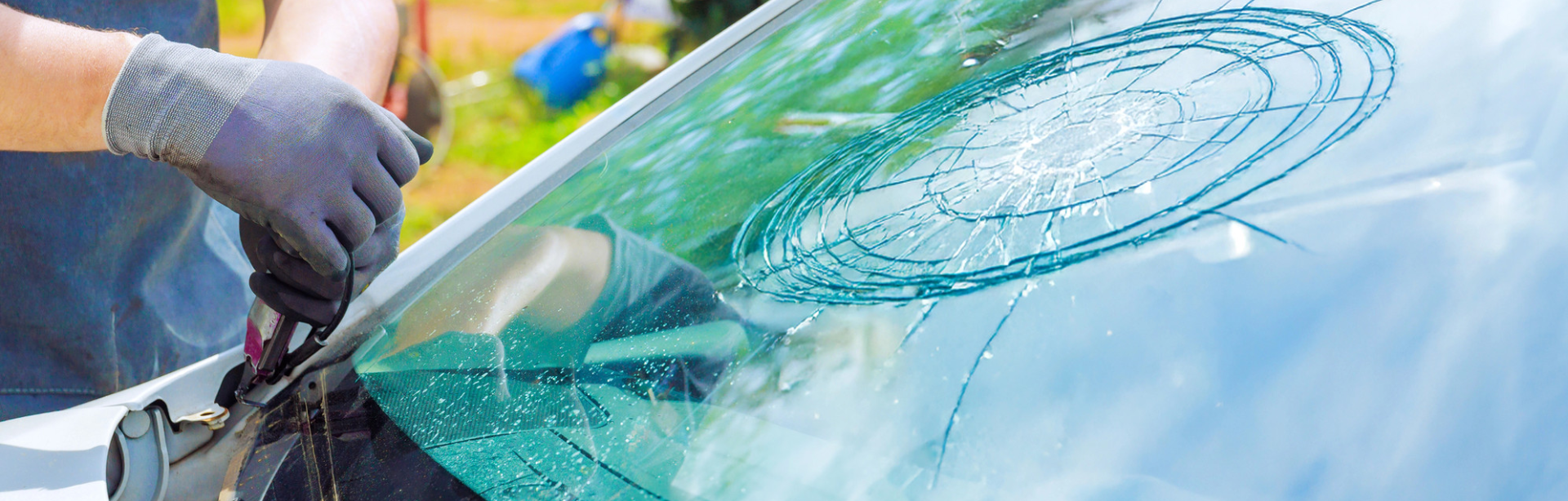
Your windshield does far more than keep the wind out of your face—it is a critical structural element of your vehicle’s safety system. Driving with a compromised windshield puts you and your passengers at risk. Knowing when to act can save you from a costly total replacement or, worse, an accident. Here are five key warning signs that mean your windshield requires immediate attention. Critical Warning Signs You Can’t Ignore 1. Cracks directly in your line of sight Even a small crack right in front of the driver’s view is an urgent issue. Beyond obstructing your field of vision, light reflecting off the edges of the glass can cause blinding glare. To maintain driving safety, the Federal Motor Carrier Safety Administration enforces strict visibility standards regarding windshield damage. 2. Chips that are expanding or larger than a quarter Small rock chips might seem harmless, but temperature shifts, road vibrations, and even shutting your car door can cause them to spread across the glass rapidly. If a chip is larger than a quarter, simple repairs are no longer an option, making immediate professional assessment essential. 3. Pitting or surface haze Over time, exposure to road debris, sand, and harsh weather causes tiny pits on the surface of your glass. In bright sunlight or oncoming headlights, this pitting creates a disorienting glare. If nighttime driving feels increasingly blurry or bright, your windshield surface has degraded beyond safe limits. 4. White discoloration around the edges Modern windshields consist of two sheets of glass bound by a layer of Polyvinyl Butyral (PVB). If you notice a white or foggy discoloration creeping in from the outer edges, the glass is delaminating. This means the protective inner layer is separating, significantly weakening the structural integrity of the vehicle in a rollover. 5. Rattling or water leaks A properly installed windshield is completely airtight and watertight. If you hear excessive wind noise, feel a slight vibration at highway speeds, or spot water seeping into your dashboard, the seal has failed. A loose windshield can pop out entirely during an airbag deployment. Restore Your Safety Today Ignoring windshield damage compromises your vehicle's safety framework and turns manageable fixes into costly replacements. Whether you need a quick repair or a full replacement, trust the certified technicians at Zimbrick Auto Glass & Calibration. Contact us today to learn about our services, or schedule your appointment directly with our auto glass in Madison specialists today to get back on the road with complete peace of mind.