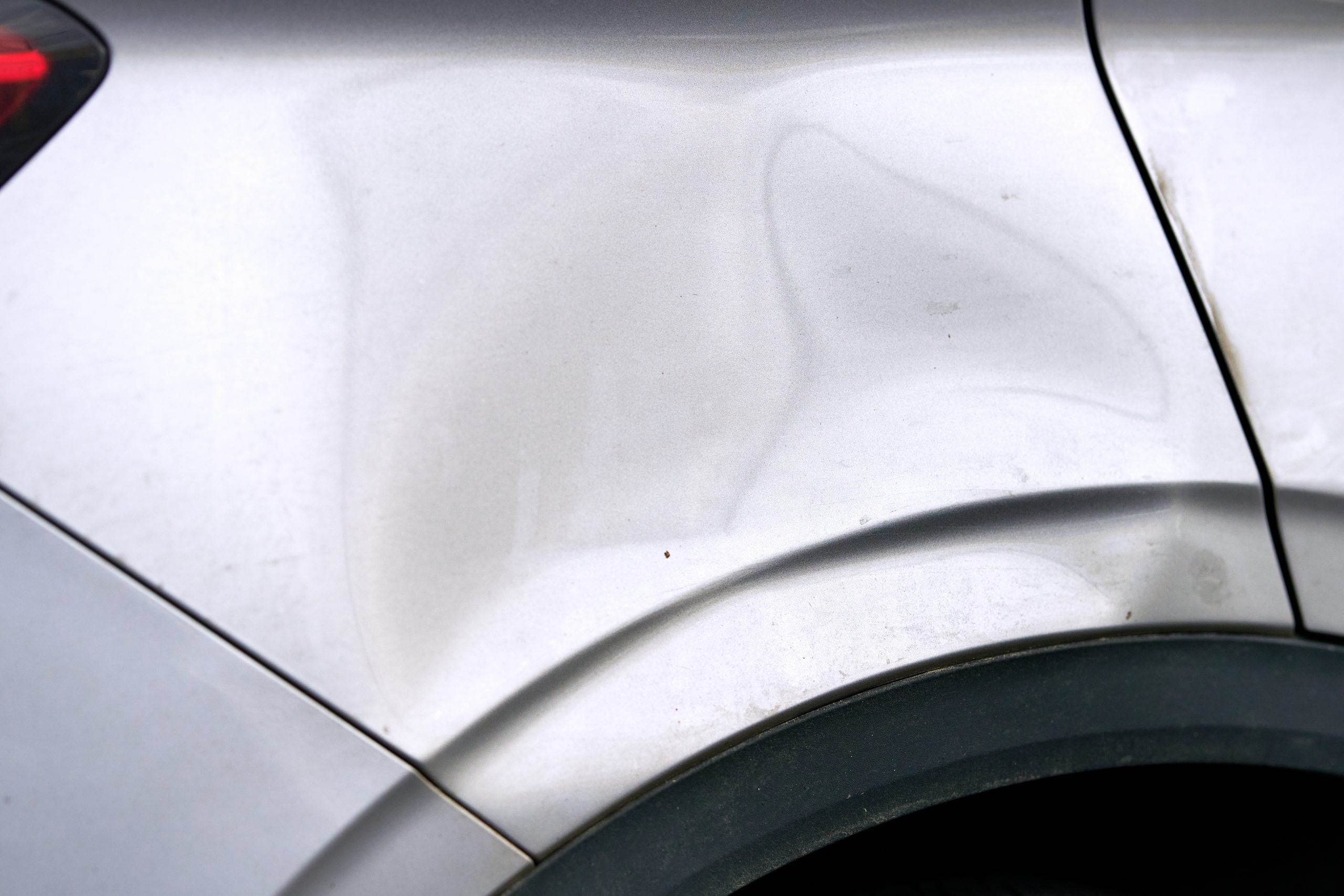






Walking back to your car in a Madison parking lot only to spot a fresh door ding or hail mark is never a fun moment. Once the initial frustration wears off, the next question is usually about the best way to fix it. Many drivers assume that any noticeable blemish requires sanding, priming, and a fresh coat of color, while others wonder if a simpler fix will hold up over time.
Understanding the difference between paintless dent repair and traditional refinishing helps you make a smart choice for your budget, your schedule, and your vehicle's long-term health.
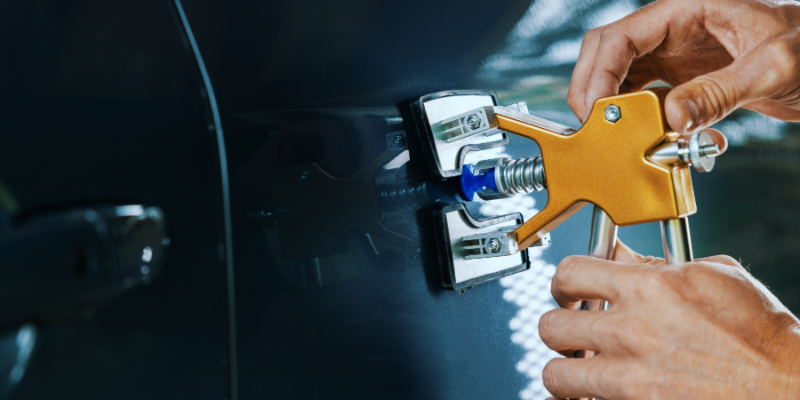
How Paintless Dent Repair Works
Modern automotive clear coats are surprisingly flexible. When a rogue shopping cart, stray hailstone, or neighboring car door leaves an indentation without cracking or chipping the surface, technicians can often massage the metal back into its original shape from behind the panel.
Because this method leaves your factory finish completely intact, there is no need for body fillers, sanding, or color matching. Most minor repairs take hours rather than days, and preserving that original factory coat is one of the smartest ways to protect your vehicle's condition rating and resale value, as Kelley Blue Book notes that visible exterior blemishes directly affect what a car is worth at trade-in.
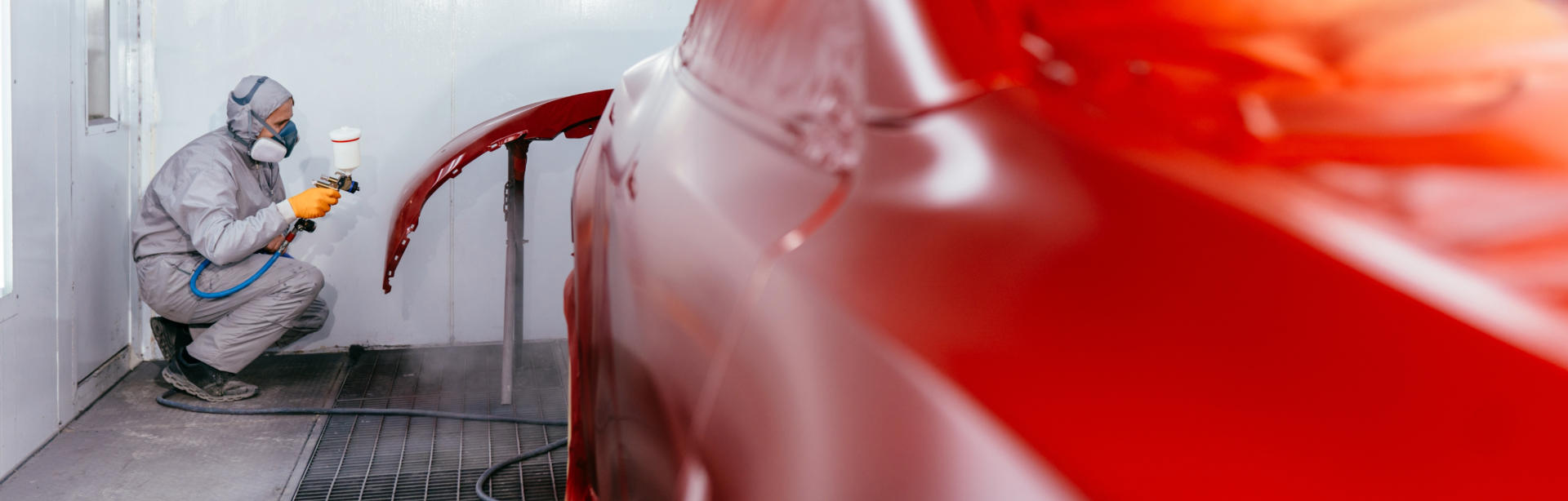
When a Car Paint Job Is the Right Call
While reshaping metal works wonders on shallow dings, it has clear physical limits. If the impact stretched the metal sharply, landed right on a tight panel edge, or broke through the clear coat down to the primer or bare steel, reshaping alone will not solve the problem.
Exposed metal quickly invites moisture and road salt—a major concern during Wisconsin winters—which leads to rust and corrosion beneath the surface. In these cases, visiting an experienced auto paint shop for traditional bodywork and computerized color blending is necessary to seal the panel and restore a seamless, protective finish.
A Quick Checklist Before You Decide
Before scheduling an appointment, take a close look at the damage in good daylight:
Check the surface: Run your finger gently around the edges of the dent. If the paint is smooth and unbroken, reshaping is likely an option.
Look for sharp creases: Deep folds or stretched metal usually require traditional filling and refinishing.
Consider your timeline: Minor dent removal often fits into a single afternoon, whereas multi-stage refinishing needs proper curing time.
Not sure which path fits your vehicle best? Swing by Zimbrick Body Shop in Madison for a quick look—our team is always happy to walk you through your options and help you decide what makes the most sense for your car.