



Blog

From Scratches to Shine: What to Expect from a Professional Car Paint Job

LG-bumper_scratch

Whether you are driving past the Capitol building on the square or commuting down the Beltline, your vehicle takes a lot of pride in how it presents itself to the Madison community. But between our intense Wisconsin winters, rogue loose gravel, and the occasional runaway shopping cart, it doesn’t take much to turn a flawless factory finish into a collection of unsightly scratches and chips.

When your vehicle’s exterior starts showing its age, you might find yourself wondering what actually goes on behind the scenes at a professional auto paint shop. What many of our Dane County neighbors don’t realize is that a truly exceptional car paint job in Madison is less about the spraying of the paint itself, and far more about the meticulous, multi-step craftsmanship that happens before the first drop of color ever hits the panel.

If you are considering restoring your vehicle’s beautiful, factory-fresh luster, here is exactly what you can expect from our team when you bring your vehicle in for a professional refresh.

1. The Foundation: Meticulous Preparation

If you were to ask any technician in a professional car paint shop what the single most important part of the process is, they will all give you the same answer: prep work. A beautiful finish is only as good as the surface beneath it.

When we first take your vehicle into our care, our team begins a rigorous cleaning and disassembly phase. We remove trim pieces, door handles, and lights rather than simply taping over them. This prevents paint from bridging or peeling at the edges down the road.

From there, we address the imperfections:

  • Sanding and Leveling: We sand away old, damaged clear coat and paint to create a perfectly smooth foundation.
  • Dent and Scratch Repair: Deep scratches and minor dings are filled and blocked so that the panel reflects light seamlessly. If your vehicle requires deeper structural attention before painting, we transition it through our comprehensive collision repair services in Madison, WI to ensure the sheet metal or composite backing is entirely structurally sound.

2. Advanced Computerized Color Matching

One of the biggest concerns drivers have when seeking out a paint refresh is whether the new paint will seamlessly match the rest of the vehicle. This is where advanced automotive technology meets human artistry.

Every vehicle comes with a specific factory paint code, but time in the Midwestern sun can subtly alter a vehicle’s hue over the years. To counter this, we utilize state-of-the-art computerized camera technology to scan your vehicle's existing panels. Our specialized technicians then formulate a precise tint mixture that accounts for any natural aging.

Whether we are blending a single door panel after a minor mishap or performing comprehensive car painting services in Madison, WI across the entire vehicle, this high-tech matching process ensures a seamless, invisible transition from old paint to new.

3. The Prime and Paint Process

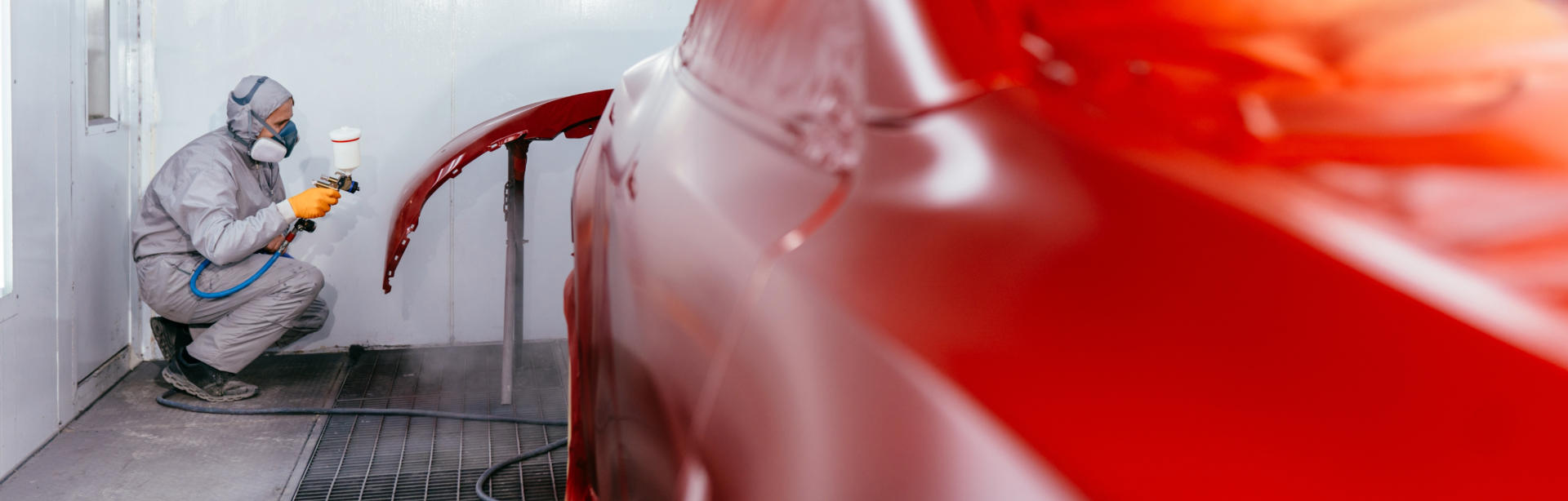
Once the vehicle is masked off to protect any exposed glass and chrome, it moves into a climate-controlled down-draft spray booth. This environment is critical; it filters out dust, airborne particles, and humidity that could ruin a fresh finish.

  • The Primer Coat: A specialized primer layer is applied to seal the repaired panels and ensure the color coats adhere perfectly.
  • The Base Coat: This is where the magic happens. Our paint technicians apply multiple precise, even layers of an eco-friendly waterborne color coat to restore the rich depth your vehicle had the day it rolled off the assembly line. We strictly align our spray booth practices with the Wisconsin Department of Natural Resources air pollution standards for auto body refinishing, utilizing modern waterborne systems that drastically reduce local environmental emissions. Beyond being cleaner for our Madison community, these advanced coatings offer superior coverage and exceptional durability against daily wear and tear.

4. The Final Defense: Clear Coat and Curing

The final step of a professional car paint job is arguably the most critical for local drivers. The color coat itself is actually quite delicate; it relies on a durable, high-gloss clear coat layer to give it that deep, reflective shine and—more importantly—unmatched protection.

Living in Madison means your vehicle has to withstand some pretty harsh elements, from freezing temperatures to highly corrosive winter road salt. A premium clear coat acts as a shield against chemical etching, UV rays, and environmental debris.

Once the clear coat is applied, the vehicle is baked in our specialized booths at a controlled temperature to accelerate the curing process. This chemical bonding creates a rock-hard, durable shell that locks in the color and gloss for years to come.

A Neighborly Commitment to Quality

At Zimbrick Body Shop, we treat every vehicle that enters our facility as if it belonged to one of our own family members. Restoring a vehicle’s finish isn’t just about making it look shiny for a few months; it’s about preserving your investment, protecting the underlying metal from rust, and giving you back that feeling of pride every time you open the garage door.

If you have a few scratches you’d like us to look at, or if you simply want to talk through the timeline for a fresh look, please feel free to stop by or connect with us. We are always here to help our Madison neighbors navigate their automotive lifecycle with total confidence.
Recommended Posts

Paintless Dent Repair vs. A New Car Paint Job: Which One Does Your Vehicle Actually Need?

Paintless Dent Repair vs. A New Car Paint Job: Which One Does Your Vehicle Actually Need?

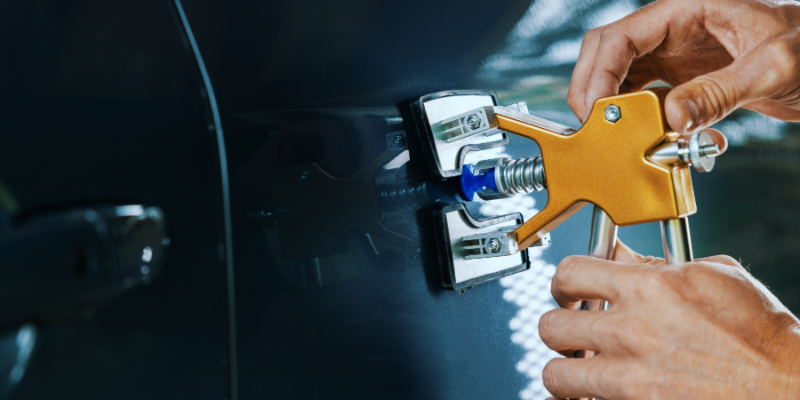
Walking back to your car in a Madison parking lot only to spot a fresh door ding or hail mark is never a fun moment. Once the initial frustration wears off, the next question is usually about the best way to fix it. Many drivers assume that any noticeable blemish requires sanding, priming, and a fresh coat of color, while others wonder if a simpler fix will hold up over time. Understanding the difference between paintless dent repair and traditional refinishing helps you make a smart choice for your budget, your schedule, and your vehicle's long-term health. How Paintless Dent Repair Works Modern automotive clear coats are surprisingly flexible. When a rogue shopping cart, stray hailstone, or neighboring car door leaves an indentation without cracking or chipping the surface, technicians can often massage the metal back into its original shape from behind the panel. Because this method leaves your factory finish completely intact, there is no need for body fillers, sanding, or color matching. Most minor repairs take hours rather than days, and preserving that original factory coat is one of the smartest ways to protect your vehicle's condition rating and resale value, as Kelley Blue Book notes that visible exterior blemishes directly affect what a car is worth at trade-in. When a Car Paint Job Is the Right Call While reshaping metal works wonders on shallow dings, it has clear physical limits. If the impact stretched the metal sharply, landed right on a tight panel edge, or broke through the clear coat down to the primer or bare steel, reshaping alone will not solve the problem. Exposed metal quickly invites moisture and road salt—a major concern during Wisconsin winters—which leads to rust and corrosion beneath the surface. In these cases, visiting an experienced auto paint shop for traditional bodywork and computerized color blending is necessary to seal the panel and restore a seamless, protective finish. A Quick Checklist Before You Decide Before scheduling an appointment, take a close look at the damage in good daylight: Check the surface: Run your finger gently around the edges of the dent. If the paint is smooth and unbroken, reshaping is likely an option. Look for sharp creases: Deep folds or stretched metal usually require traditional filling and refinishing. Consider your timeline: Minor dent removal often fits into a single afternoon, whereas multi-stage refinishing needs proper curing time. Not sure which path fits your vehicle best? Swing by Zimbrick Body Shop in Madison for a quick look—our team is always happy to walk you through your options and help you decide what makes the most sense for your car.

Paint

From Dents to Paint Jobs: A Complete Guide to Auto Body Repair

Accidents, road debris, and unexpected weather happen to even the most cautious drivers. When your vehicle suffers physical damage, navigating the restoration process can feel overwhelming. Understanding the basics of vehicle care helps you make informed choices, protect your vehicle's resale value, and ensure your safety on the road. Fixing Minor Dents and Surface Scratches Minor exterior damage often seems cosmetic, but leaving exposed metal unaddressed can lead to rust and structural weakness over time. Techniques like paintless dent repair can remove small dings without affecting the original factory finish. For deeper scratches or body crease damage, standard auto body repair techniques restore panels to their original shape before protective coatings are applied. Timely attention to small flaws prevents minor repairs from turning into major expenses. Restoring Clarity and Structural Glass Cracked or chipped windshields and windows do more than impair your vision. Modern vehicle glass serves as an essential structural component during a rollover and supports proper airbag deployment. Scheduling prompt car window repair prevents small cracks from spreading across the glass during drastic temperature changes. If you are ever unsure about whether damaged glass impacts your vehicle's safety standards, resources like the National Highway Traffic Safety Administration offer detailed guidance on automotive safety rules. The Process Behind a Flawless Finish Matching automotive paint requires precision, specialized technology, and controlled environments. A professional car paint shop uses computerized color-matching tools to blend new paint seamlessly with existing factory shades. The process involves meticulous cleaning, sanding, priming, base coat application, and a durable clear coat seal. Proper paint application protects the underlying metal panels against environmental elements like UV rays, road salt, and moisture. Keeping Your Vehicle Safe and Road-Ready Major collision repairs require meticulous frame alignment and comprehensive safety system recalibrations. Advanced driver-assistance systems, including lane departure sensors and radar modules, often reside behind bumper covers and windshield glass. Proper restoration ensures all onboard safety technology operates correctly after an impact. At Zimbrick Body Shop, our goal is to help you navigate everyday driving mishaps with confidence and clarity. Whether you need advice on cosmetic touch-ups or require structural frame inspection after a collision, taking care of your vehicle ensures long-term reliability and peace of mind. Feel free to reach out to our team whenever you have questions about keeping your vehicle in top condition.

Windshield

Is Your Windshield Trying to Tell You Something? 5 Warning Signs You Shouldn't Ignore

Your windshield does far more than keep the wind out of your face—it is a critical structural element of your vehicle’s safety system. Driving with a compromised windshield puts you and your passengers at risk. Knowing when to act can save you from a costly total replacement or, worse, an accident. Here are five key warning signs that mean your windshield requires immediate attention. Critical Warning Signs You Can’t Ignore 1. Cracks directly in your line of sight Even a small crack right in front of the driver’s view is an urgent issue. Beyond obstructing your field of vision, light reflecting off the edges of the glass can cause blinding glare. To maintain driving safety, the Federal Motor Carrier Safety Administration enforces strict visibility standards regarding windshield damage. 2. Chips that are expanding or larger than a quarter Small rock chips might seem harmless, but temperature shifts, road vibrations, and even shutting your car door can cause them to spread across the glass rapidly. If a chip is larger than a quarter, simple repairs are no longer an option, making immediate professional assessment essential. 3. Pitting or surface haze Over time, exposure to road debris, sand, and harsh weather causes tiny pits on the surface of your glass. In bright sunlight or oncoming headlights, this pitting creates a disorienting glare. If nighttime driving feels increasingly blurry or bright, your windshield surface has degraded beyond safe limits. 4. White discoloration around the edges Modern windshields consist of two sheets of glass bound by a layer of Polyvinyl Butyral (PVB). If you notice a white or foggy discoloration creeping in from the outer edges, the glass is delaminating. This means the protective inner layer is separating, significantly weakening the structural integrity of the vehicle in a rollover. 5. Rattling or water leaks A properly installed windshield is completely airtight and watertight. If you hear excessive wind noise, feel a slight vibration at highway speeds, or spot water seeping into your dashboard, the seal has failed. A loose windshield can pop out entirely during an airbag deployment. Restore Your Safety Today Ignoring windshield damage compromises your vehicle's safety framework and turns manageable fixes into costly replacements. Whether you need a quick repair or a full replacement, trust the certified technicians at Zimbrick Auto Glass & Calibration. Contact us today to learn about our services, or schedule your appointment directly with our auto glass in Madison specialists today to get back on the road with complete peace of mind.