




Blog

Calibration Explained: Everything You Need to Know in Madison, WI

Sensor Calibration
 

Advanced Driver-Assistance Systems (ADAS) are revolutionizing the way we drive by enhancing safety and convenience on the road. Ensuring these systems perform as intended requires proper calibration. If you've encountered this term and wondered what it means or whether it applies to you, we're here to break it down.

What Is ADAS and Why Does It Need Calibration?

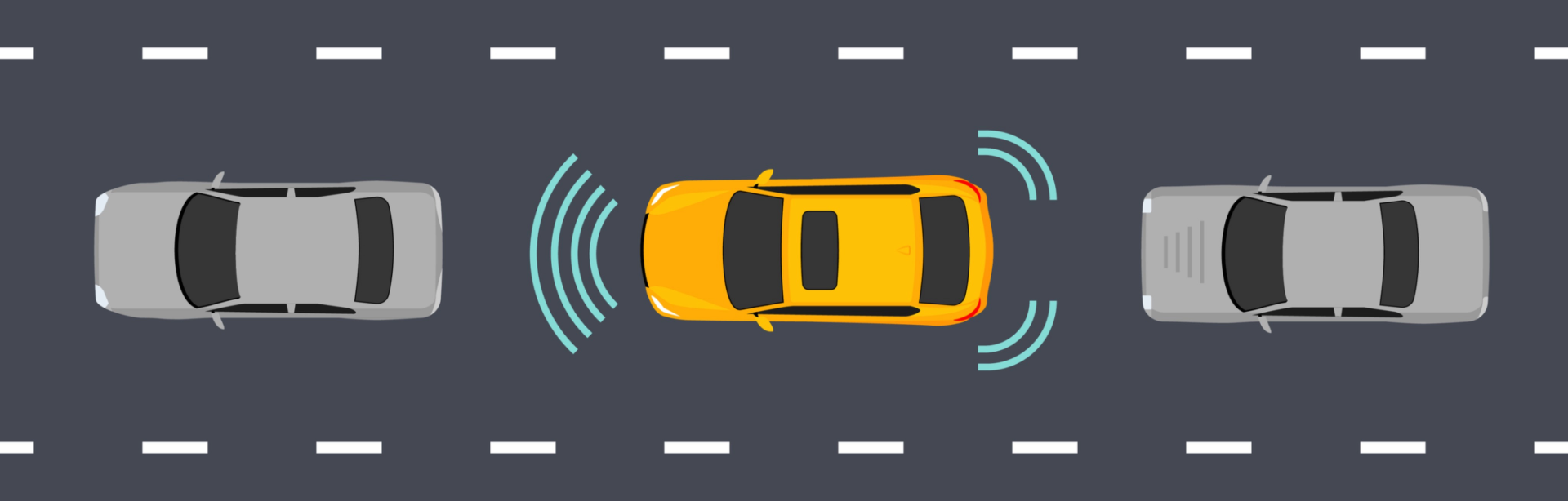
ADAS is a collection of technology features designed to assist drivers and improve safety. Key components include lane-keeping assistance, adaptive cruise control, emergency braking systems, and collision warnings. These systems rely on sensors, cameras, and radar to monitor the surrounding environment and make quick, accurate decisions.

ADAS calibration refers to the process of aligning and adjusting these sensors to provide optimal functionality. Misaligned cameras or sensors can result in inaccurate data, leading to potentially unsafe driving conditions.

When Is ADAS Calibration Required?

ADAS calibration is typically necessary after:

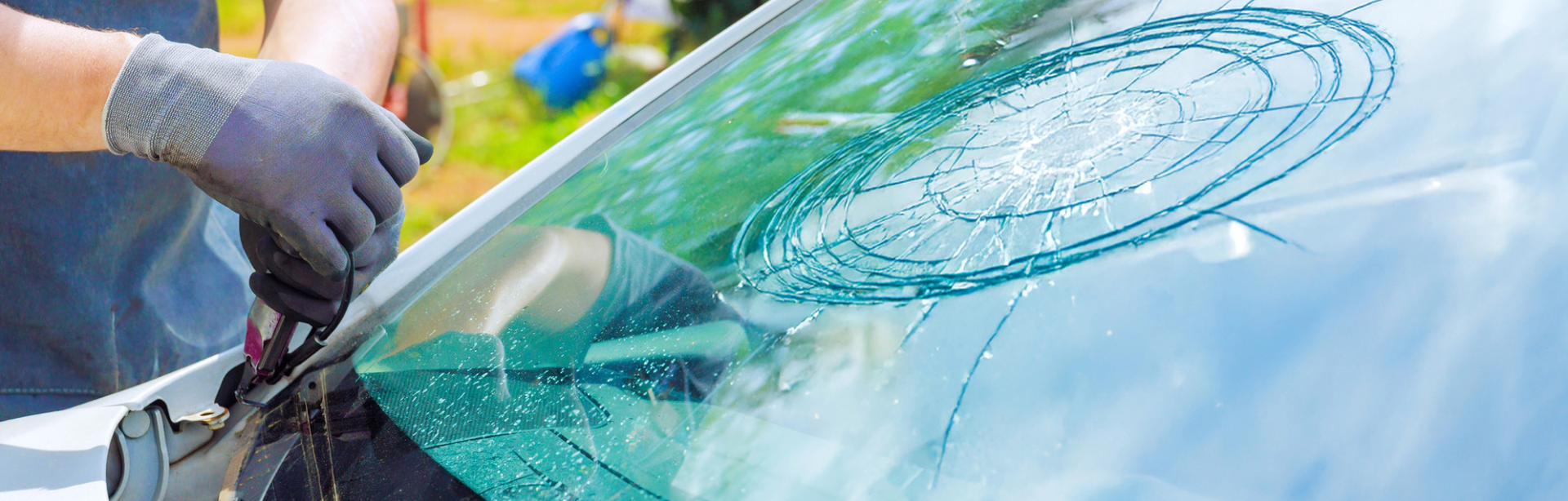
  • Windshield replacement (for cars with cameras mounted on the windshield).
  • Collision or Accident Repairs, as an impact may disrupt sensor alignment.
  • Tire or Suspension Adjustments, which can alter the vehicle's height or orientation.
  • Software Updates for your vehicle's advanced safety features.

Why Is ADAS Calibration Important?

Driver and Passenger Safety

Accurate calibration minimizes the risk of malfunctioning sensors, ensuring the systems respond correctly to prevent collisions or accidents.

Optimizes System Performance

Precise calibration ensures that your lane-keeping system stays steady, adaptive cruise maintains safe distances, and emergency braking operates without false alarms.

Preserves Vehicle Value

Properly calibrated ADAS contributes to your car's overall functionality and may retain its resale value.

Do You Need ADAS Calibration?

If your car includes advanced features like lane-keeping assistance or adaptive cruise control, calibration is likely required at some point. Ignoring it can compromise safety and lead to expensive repairs down the road. Check your owner's manual or consult a professional technician for guidance specific to your vehicle.

Looking for a trusted place to get your ADAS system calibrated? Zimbrick Body Shop is a great option. Our technicians keep your advanced safety systems aligned, giving you peace of mind and keeping your car in top condition.

Drive Safer with Proper ADAS Calibration

ADAS technology is transforming how we drive, but it requires proper care to deliver on its promise of safety and convenience. Calibration makes sure these systems work as intended, offering peace of mind for you and your loved ones.

When in doubt, consult a certified technician at Zimbrick Body Shop, where you can prioritize this critical maintenance step and drive with confidence.
Recommended Posts

Paintless Dent Repair vs. A New Car Paint Job: Which One Does Your Vehicle Actually Need?

Paintless Dent Repair vs. A New Car Paint Job: Which One Does Your Vehicle Actually Need?

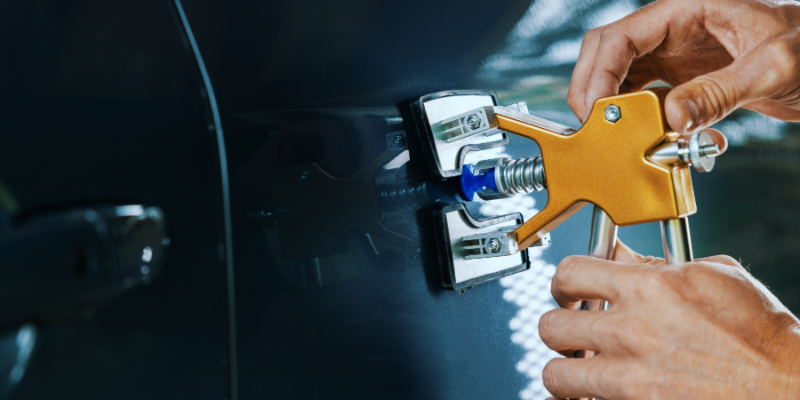
Walking back to your car in a Madison parking lot only to spot a fresh door ding or hail mark is never a fun moment. Once the initial frustration wears off, the next question is usually about the best way to fix it. Many drivers assume that any noticeable blemish requires sanding, priming, and a fresh coat of color, while others wonder if a simpler fix will hold up over time. Understanding the difference between paintless dent repair and traditional refinishing helps you make a smart choice for your budget, your schedule, and your vehicle's long-term health. How Paintless Dent Repair Works Modern automotive clear coats are surprisingly flexible. When a rogue shopping cart, stray hailstone, or neighboring car door leaves an indentation without cracking or chipping the surface, technicians can often massage the metal back into its original shape from behind the panel. Because this method leaves your factory finish completely intact, there is no need for body fillers, sanding, or color matching. Most minor repairs take hours rather than days, and preserving that original factory coat is one of the smartest ways to protect your vehicle's condition rating and resale value, as Kelley Blue Book notes that visible exterior blemishes directly affect what a car is worth at trade-in. When a Car Paint Job Is the Right Call While reshaping metal works wonders on shallow dings, it has clear physical limits. If the impact stretched the metal sharply, landed right on a tight panel edge, or broke through the clear coat down to the primer or bare steel, reshaping alone will not solve the problem. Exposed metal quickly invites moisture and road salt—a major concern during Wisconsin winters—which leads to rust and corrosion beneath the surface. In these cases, visiting an experienced auto paint shop for traditional bodywork and computerized color blending is necessary to seal the panel and restore a seamless, protective finish. A Quick Checklist Before You Decide Before scheduling an appointment, take a close look at the damage in good daylight: Check the surface: Run your finger gently around the edges of the dent. If the paint is smooth and unbroken, reshaping is likely an option. Look for sharp creases: Deep folds or stretched metal usually require traditional filling and refinishing. Consider your timeline: Minor dent removal often fits into a single afternoon, whereas multi-stage refinishing needs proper curing time. Not sure which path fits your vehicle best? Swing by Zimbrick Body Shop in Madison for a quick look—our team is always happy to walk you through your options and help you decide what makes the most sense for your car.

Paint

From Dents to Paint Jobs: A Complete Guide to Auto Body Repair

Accidents, road debris, and unexpected weather happen to even the most cautious drivers. When your vehicle suffers physical damage, navigating the restoration process can feel overwhelming. Understanding the basics of vehicle care helps you make informed choices, protect your vehicle's resale value, and ensure your safety on the road. Fixing Minor Dents and Surface Scratches Minor exterior damage often seems cosmetic, but leaving exposed metal unaddressed can lead to rust and structural weakness over time. Techniques like paintless dent repair can remove small dings without affecting the original factory finish. For deeper scratches or body crease damage, standard auto body repair techniques restore panels to their original shape before protective coatings are applied. Timely attention to small flaws prevents minor repairs from turning into major expenses. Restoring Clarity and Structural Glass Cracked or chipped windshields and windows do more than impair your vision. Modern vehicle glass serves as an essential structural component during a rollover and supports proper airbag deployment. Scheduling prompt car window repair prevents small cracks from spreading across the glass during drastic temperature changes. If you are ever unsure about whether damaged glass impacts your vehicle's safety standards, resources like the National Highway Traffic Safety Administration offer detailed guidance on automotive safety rules. The Process Behind a Flawless Finish Matching automotive paint requires precision, specialized technology, and controlled environments. A professional car paint shop uses computerized color-matching tools to blend new paint seamlessly with existing factory shades. The process involves meticulous cleaning, sanding, priming, base coat application, and a durable clear coat seal. Proper paint application protects the underlying metal panels against environmental elements like UV rays, road salt, and moisture. Keeping Your Vehicle Safe and Road-Ready Major collision repairs require meticulous frame alignment and comprehensive safety system recalibrations. Advanced driver-assistance systems, including lane departure sensors and radar modules, often reside behind bumper covers and windshield glass. Proper restoration ensures all onboard safety technology operates correctly after an impact. At Zimbrick Body Shop, our goal is to help you navigate everyday driving mishaps with confidence and clarity. Whether you need advice on cosmetic touch-ups or require structural frame inspection after a collision, taking care of your vehicle ensures long-term reliability and peace of mind. Feel free to reach out to our team whenever you have questions about keeping your vehicle in top condition.

Windshield

Is Your Windshield Trying to Tell You Something? 5 Warning Signs You Shouldn't Ignore

Your windshield does far more than keep the wind out of your face—it is a critical structural element of your vehicle’s safety system. Driving with a compromised windshield puts you and your passengers at risk. Knowing when to act can save you from a costly total replacement or, worse, an accident. Here are five key warning signs that mean your windshield requires immediate attention. Critical Warning Signs You Can’t Ignore 1. Cracks directly in your line of sight Even a small crack right in front of the driver’s view is an urgent issue. Beyond obstructing your field of vision, light reflecting off the edges of the glass can cause blinding glare. To maintain driving safety, the Federal Motor Carrier Safety Administration enforces strict visibility standards regarding windshield damage. 2. Chips that are expanding or larger than a quarter Small rock chips might seem harmless, but temperature shifts, road vibrations, and even shutting your car door can cause them to spread across the glass rapidly. If a chip is larger than a quarter, simple repairs are no longer an option, making immediate professional assessment essential. 3. Pitting or surface haze Over time, exposure to road debris, sand, and harsh weather causes tiny pits on the surface of your glass. In bright sunlight or oncoming headlights, this pitting creates a disorienting glare. If nighttime driving feels increasingly blurry or bright, your windshield surface has degraded beyond safe limits. 4. White discoloration around the edges Modern windshields consist of two sheets of glass bound by a layer of Polyvinyl Butyral (PVB). If you notice a white or foggy discoloration creeping in from the outer edges, the glass is delaminating. This means the protective inner layer is separating, significantly weakening the structural integrity of the vehicle in a rollover. 5. Rattling or water leaks A properly installed windshield is completely airtight and watertight. If you hear excessive wind noise, feel a slight vibration at highway speeds, or spot water seeping into your dashboard, the seal has failed. A loose windshield can pop out entirely during an airbag deployment. Restore Your Safety Today Ignoring windshield damage compromises your vehicle's safety framework and turns manageable fixes into costly replacements. Whether you need a quick repair or a full replacement, trust the certified technicians at Zimbrick Auto Glass & Calibration. Contact us today to learn about our services, or schedule your appointment directly with our auto glass in Madison specialists today to get back on the road with complete peace of mind.